
By Kristin Westberg – Senior Director, Training & Evaluation
Think about how your child learned to ride a bike. Did they master it after one explanation? Of course not. They practiced over and over, fell down, tried again and eventually, it clicked.
That’s exactly how First Tee’s life skills work, too.
When your child learns about STAR (Stop, Think, Anticipate, Respond) during their first golf session, they’re just getting introduced to the concept. But they’re also focused on their grip, wondering if they’ll make the putt, and probably thinking about what’s for dinner. That first exposure is just the beginning.
The real learning happens through repetition
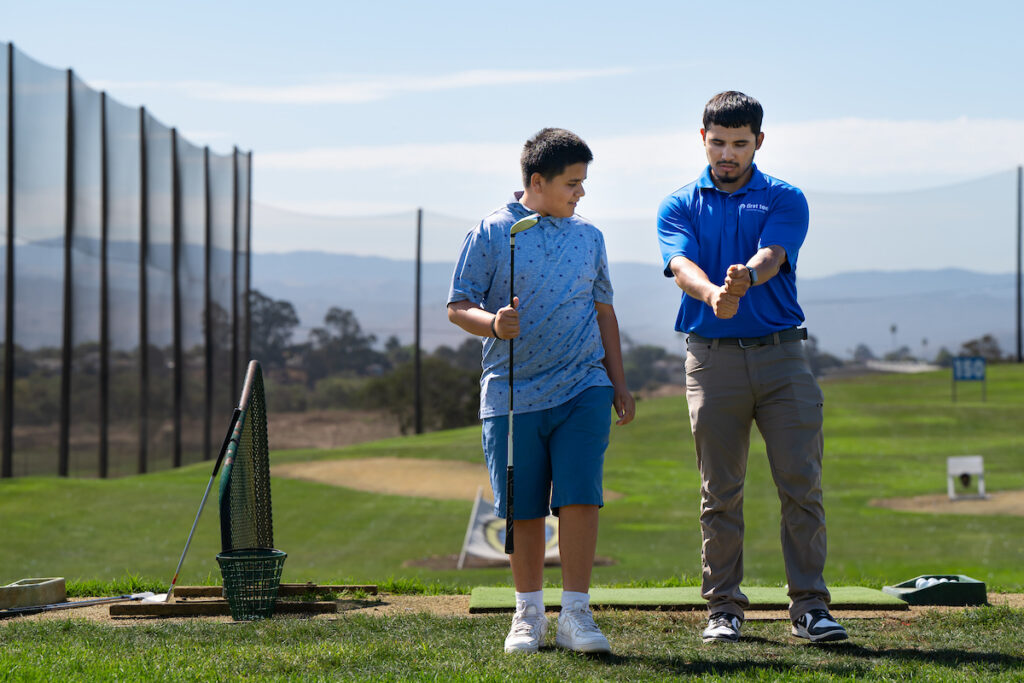
The magic happens when your child encounters STAR again and again in different situations. Maybe their coach references it after a bad shot: “Remember STAR? Let’s stop for a second. What happened there?” Now they’re connecting it to a real moment of frustration.
Each time First Tee coaches revisit a life skill, they’re helping your child see patterns and build a framework they can access when emotions run high. They’re showing that these aren’t just things “Coach says” but tools they can apply off the golf course.
Take the 4 Rs: Relax, Replay, Ready, Redo. The first time a coach walks your child through this after a mishit, they’re hearing four steps while feeling embarrassed. But by the fifth or tenth time, you’ll start seeing them do it on their own. They’ll take a deep breath, step back, and reset — not because someone explained it perfectly once, but because their coach consistently showed them how.
What the science says
Here’s what research tells us about how kids learn (and what you probably already know from watching your own child):
Kids need to see concepts in multiple contexts before they can transfer them. Their brains are literally building neural pathways that get stronger each time they practice. One exposure creates awareness. Multiple exposures create competence. In fact, learning research suggests people typically need about seven exposures to new information before they can truly retain and apply it, which is why consistent coaching across different situations matters so much.
Developmentally, your child isn’t the same kid they were six months ago. The 8-year-old who needed help thinking through consequences is now 9 and ready to anticipate them more independently. When coaches revisit life skills, they’re meeting your child where they are now.
You might hear your child’s coach reference the same life skill multiple times throughout the season, and that’s intentional. They’re not being redundant; they’re being effective. Here’s how First Tee coaches reinforce learning:
- Naming it when they see it. When your child demonstrates grit or uses a life skill independently, coaches call it out in the moment.
- Connecting across contexts. Coaches reference the same life skill in different situations – on the green, on the range, in the classroom and more.
- Asking reflection questions at the end of each class. “Where else have you used STAR this week?”
- Modeling it themselves. Coaches let participants see them using these skills when facing their own challenges.
- Celebrating progress, not perfection. Coaches notice when your child applies a life skill even imperfectly because that’s growth.
Supporting this learning at home
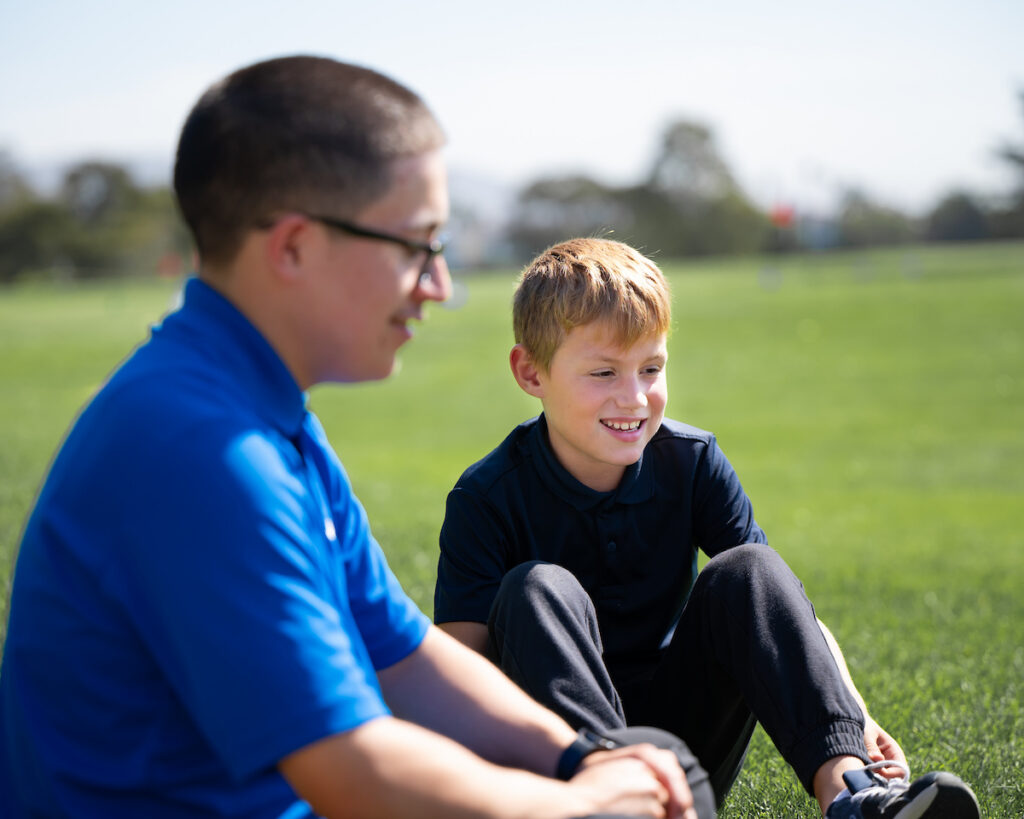
The beauty of First Tee’s approach is that these skills extend far beyond the golf course. When you hear your child mention STAR, the 4 Rs, or FAIL (First Attempt In Learning), you can reinforce what they’re learning:
- Ask them to explain the skill to you
- Notice when they use it at home and acknowledge it
- Reference it yourself during challenging moments
- Be patient — just like with golf, mastery takes time
The goal isn’t to “cover” a life skill once and check the box. The goal is to help your child internalize these skills so deeply that they become automatic, building something that lasts long after their time on the golf course.
So when you hear the same concepts come up again and again throughout the season, know that it’s all part of the plan. Each conversation, each reminder, each connection is building the foundation for the game changer your child is becoming.